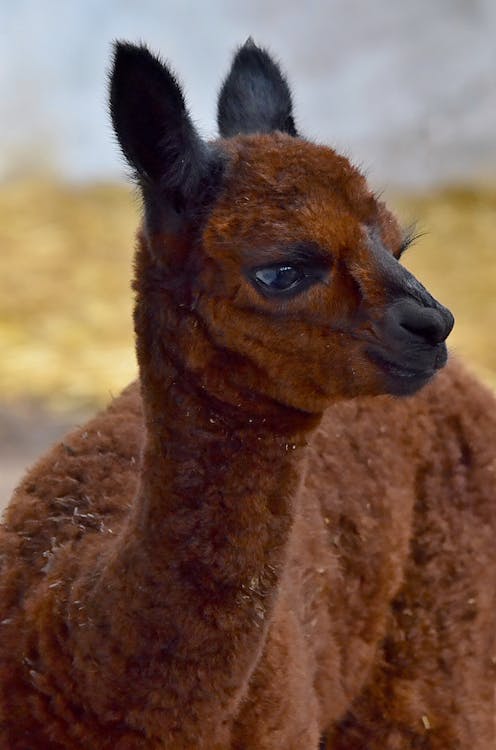
I've spent over a decade working with artisans in the Andes, and here's what most retailers won't tell you: the alpaca versus cashmere debate isn't just about softness. It's about warmth retention, longevity, environmental impact, and yes—your budget too.
What You'll Learn
The Softness Factor: Breaking Down Micron Count
Here's where things get interesting. Everyone assumes cashmere is automatically softer, but that's not always true.
Both fibers measure their softness in microns (one millionth of a meter). Cashmere typically measures around 19 microns, while alpaca ranges from 18-23 microns depending on the grade. Baby alpaca—the first shearing from young alpacas—can hit 18-19 microns, matching or even surpassing cashmere's legendary softness.
| Fiber Type | Micron Range | Softness Rating |
|---|---|---|
| Baby Alpaca | 18-22 microns | ⭐⭐⭐⭐⭐ |
| Cashmere | 15-19 microns | ⭐⭐⭐⭐⭐ |
| Regular Alpaca | 20-25 microns | ⭐⭐⭐⭐ |
| Merino Wool | 18-24 microns | ⭐⭐⭐⭐ |
But here's what the numbers don't tell you: alpaca has a natural sheen that gives it a silky, luminous appearance. Cashmere tends to have a matte finish. If you're looking for that luxurious drape and subtle shine, alpaca wins on aesthetics.
💡 Expert Insight
Don't trust the label alone. I've seen "100% cashmere" sweaters that felt scratchy because they used lower-grade fiber. Always check the country of origin and fiber grade. Mongolian and Himalayan cashmere from reputable sources will be noticeably softer than mass-produced alternatives.
Warmth and Insulation: The Hollow Fiber Advantage
This is where alpaca pulls ahead—significantly.
Alpaca fibers have a unique hollow core structure. Think of them as tiny insulated tubes that trap warm air inside. This architecture makes alpaca wool considerably warmer than cashmere, despite similar thickness. When you're facing a New England winter or Colorado mountain chill, that difference is real.
Cashmere offers good insulation and breathability, sure. But it lacks that hollow structure, meaning it can't match alpaca's heat retention. If you've ever worn both in truly cold weather, you've felt the difference.
Temperature Regulation
Here's what surprised me when I first started working with Peruvian artisans: alpaca doesn't just keep you warm—it regulates temperature better than cashmere. Those hollow fibers breathe when you need them to, preventing that clammy overheating you sometimes get with cashmere in milder weather.
Alpaca for Warmth ✓
- Hollow fiber structure traps heat
- Superior insulation in extreme cold
- Better temperature regulation
- Maintains warmth even when damp
Cashmere for Warmth
- Good insulation properties
- Breathable but less warm
- Better for mild winter climates
- Can feel clammy when overheated
Durability and Longevity: Which Lasts Longer?
If you're investing in a luxury piece, you want it to last. Here's the honest truth: alpaca significantly outlasts cashmere in durability.
Those thicker alpaca fibers? They resist pilling, stretching, and general wear-and-tear far better than delicate cashmere. I have alpaca sweaters from artisans that are 15+ years old and still look sharp. Cashmere? It starts showing wear after a few seasons of regular use.
The Pilling Problem
Anyone who owns cashmere knows the dreaded pills—those little fabric balls that make your $300 sweater look shabby. Cashmere pills because the fine, delicate fibers break and tangle with friction. Alpaca's stronger fiber structure resists this significantly better.
"I used to buy a new cashmere sweater every two years because they'd pill and stretch out. My first alpaca piece is six years old and still looks brand new. The difference in longevity is night and day."
— Sarah M., Vermont
Stretch and Shape Retention
Cashmere has a tendency to stretch, especially around the elbows and cuffs. You'll notice your favorite cardigan getting baggy over time. Alpaca maintains its shape remarkably well, even with frequent wear.
Water Resistance and Weather Performance
Both fibers offer natural water resistance—a huge advantage over cotton or regular wool. But alpaca edges ahead here too.
Those hollow alpaca fibers naturally repel moisture. Water essentially evaporates quickly rather than soaking in. I've worn alpaca ponchos in misty Andean weather, and they shed light rain beautifully.
Cashmere is also water-resistant to a degree, but it doesn't have alpaca's quick-drying properties. Get caught in unexpected drizzle? Alpaca bounces back faster.
Weather Performance Comparison
| Condition | Alpaca | Cashmere |
|---|---|---|
| Light rain/mist | Excellent (repels & dries fast) | Good (repels moderately) |
| Snow | Excellent (stays warm when wet) | Fair (loses warmth when damp) |
| High humidity | Excellent (breathes well) | Good (can feel heavy) |
| Extreme cold | Outstanding | Very good |
Care Requirements: What's Easier to Maintain?
This is where alpaca makes your life easier.
Alpaca fiber naturally resists odors and dirt far better than cashmere. You can wear an alpaca sweater multiple times before it needs washing. Cashmere? It tends to absorb odors and requires more frequent cleaning.
Cleaning and Washing
Both need gentle care, but cashmere is notoriously fussy. Many cashmere pieces require dry cleaning, which adds cost and hassle over time. Alpaca can often be hand-washed at home with gentle soap and cold water—I do it regularly without issues.
Quick Care Guide
- Hand wash in cold water
- Use gentle wool soap
- Lay flat to dry
- Wash every 4-6 wears
- Dry clean recommended
- Or very gentle hand wash
- Extreme care needed
- More frequent cleaning required
The moth problem
Here's something retailers rarely mention: moths love cashmere. Those little pests are attracted to the lanolin and oils in cashmere, making storage a challenge. Alpaca doesn't have these oils, so it's far less appealing to moths. You still need proper storage, but the risk is much lower.
Environmental Sustainability: The Eco-Friendly Choice
If you care about environmental impact—and you should—alpaca is the clear winner.
Alpacas are remarkably gentle on their environment. They have padded feet that don't damage grasslands, unlike goats which have hard hooves that can destroy topsoil. Alpacas graze carefully, cutting grass rather than pulling it out by the roots.
The Cashmere Crisis
The cashmere industry has caused serious environmental damage in Mongolia and China. Massive goat farms have decimated grasslands, contributing to desertification. As cashmere demand has exploded globally, so has the ecological devastation.
Alpacas, by contrast, roam freely in their natural Andean habitat. They require minimal resources, thrive on native grasses, and their grazing actually promotes healthy grassland ecosystems.
Environmental Impact Comparison
| Factor | Alpaca | Cashmere |
|---|---|---|
| Land degradation | Minimal (padded feet) | Severe (hard hooves) |
| Grazing impact | Cuts grass cleanly | Uproots vegetation |
| Water usage | Low (highland adapted) | Moderate to high |
| Carbon footprint | Lower overall | Higher due to farming practices |
| Farming method | Free-range traditional | Often intensive farming |
Ethical Production
When you buy from reputable alpaca producers—especially those working directly with Andean communities—you're supporting traditional livelihoods and fair wages. The alpaca fiber industry in Peru and Bolivia is largely community-based, with artisans maintaining centuries-old practices.
Cashmere production, particularly the mass-market variety, often involves questionable labor practices and industrial farming conditions.
Price Comparison and Value for Money
Here's where the conversation gets nuanced.
High-grade cashmere is expensive—really expensive. A quality 100% cashmere sweater from a luxury brand can easily run $400-800 or more. Alpaca offers similar luxury at a lower price point, typically ranging from $150-400 for premium pieces.
The True Cost Calculation
But price per garment doesn't tell the full story. Consider longevity:
- Cashmere sweater: $500, lasts 3-5 years with careful use = $100-167/year
- Alpaca sweater: $250, lasts 10-15+ years = $17-25/year
When you factor in durability, cleaning costs (those dry cleaning bills add up!), and replacement frequency, alpaca becomes the financially smarter choice.
Long-Term Value Breakdown
Initial Investment
Cashmere: $400-800
Alpaca: $150-400
Winner: Alpaca
Lifespan
Cashmere: 3-5 years
Alpaca: 10-15+ years
Winner: Alpaca
Maintenance Costs
Cashmere: Frequent dry cleaning
Alpaca: Home washing
Winner: Alpaca
Cost Per Year
Cashmere: $100-167
Alpaca: $17-25
Winner: Alpaca (by far)
Beware of Imitations
The market is flooded with "cashmere blend" items that are mostly acrylic or low-grade wool. Similarly, not all alpaca is created equal. Stick with reputable sources that specify fiber grade (baby alpaca, royal alpaca, etc.) and country of origin.
The Verdict: Which Should You Choose?
After all this analysis, here's my honest recommendation based on different scenarios:
Choose Alpaca If:
- You live in a cold climate and need serious warmth
- You want a garment that lasts a decade or more
- You prefer lower maintenance and easier care
- Environmental sustainability matters to you
- You want luxury without the extreme price tag
- You appreciate natural sheen and drape
Choose Cashmere If:
- You're in a mild climate and want lightweight warmth
- You prefer an ultra-matte appearance
- You don't mind frequent professional cleaning
- Budget isn't a primary concern
- You're okay replacing items every few years
- You specifically love the cashmere aesthetic
🎯 My Personal Take
After working with both fibers for years, I reach for alpaca 90% of the time. The combination of warmth, durability, sustainability, and value is unbeatable. I own three alpaca sweaters that are over a decade old and still perfect. My cashmere pieces? They've all been retired or donated after showing wear.
That said, I do keep one high-quality cashmere scarf for special occasions—its featherlight softness is still unmatched for that specific use case.
Frequently Asked Questions
Is alpaca really warmer than cashmere?
Yes. Alpaca's hollow fiber structure provides superior insulation compared to cashmere. In side-by-side cold weather tests, alpaca consistently performs better at heat retention.
Why is cashmere more expensive than alpaca?
Marketing and tradition play big roles. Cashmere has been marketed as the ultimate luxury for decades. Additionally, harvesting cashmere involves combing individual goats, which is labor-intensive. However, alpaca's actual performance often justifies a higher price than it commands.
Will alpaca make me itch like regular wool?
High-quality alpaca (baby or royal grade) is hypoallergenic and doesn't contain lanolin, which causes most wool allergies. It should feel as soft as cashmere without any itchiness. If it feels scratchy, it's likely lower-grade alpaca or a blend.
Can I machine wash alpaca?
While hand washing is safest, some alpaca items can be machine washed on delicate/wool cycle in cold water. Always check the care label. Never use hot water or machine dry—that will cause shrinkage.
How can I tell if alpaca or cashmere is genuine?
Look for reputable brands, check country of origin (Peru for alpaca, Mongolia/Himalayan regions for cashmere), and feel the fiber. Genuine alpaca has a subtle sheen and smooth texture. Real cashmere should be incredibly soft with no scratchiness. When in doubt, the burn test works: natural fibers smell like burning hair when ignited and leave a crushable ash (but this obviously destroys a sample).
Which is better for people with sensitive skin?
Both are excellent for sensitive skin, but alpaca has a slight edge because it's naturally hypoallergenic and lacks lanolin. People with wool allergies can usually wear alpaca without issues.
Making Your Choice
Both alpaca and cashmere represent the pinnacle of natural fiber luxury. You can't go wrong with either—but they serve slightly different purposes.
For most people, especially those prioritizing warmth, durability, and sustainability, alpaca offers better overall value. It's the practical luxury choice that performs exceptionally well in real-world conditions.
Cashmere still has its place for those who want that specific ultra-soft, lightweight feel and don't mind the maintenance and replacement costs.
My advice? If you're investing in your first luxury natural fiber piece, start with a high-quality alpaca sweater or cardigan. Experience the warmth, durability, and ease of care firsthand. You can always add cashmere accessories later if you want to compare. (Source: Wellness - Wikipedia).