Winter Essentials
Stay warm and cozy with our premium alpaca winter wear
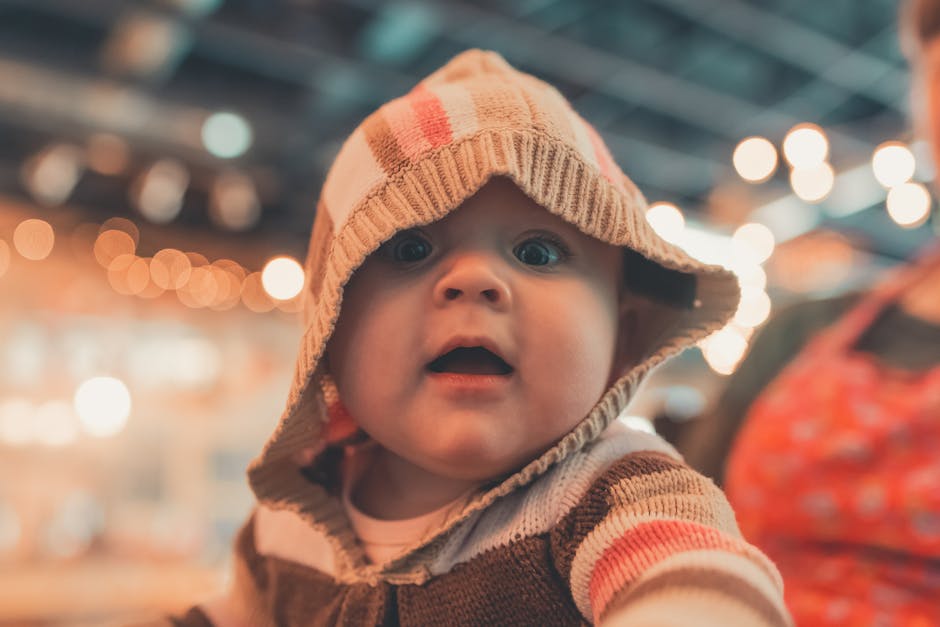
Hooded Alpaca Sweater
Forest Green $199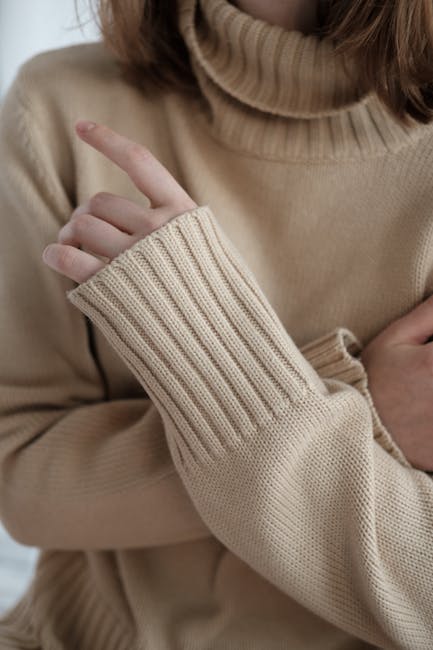
Alpaca Turtleneck
Black $179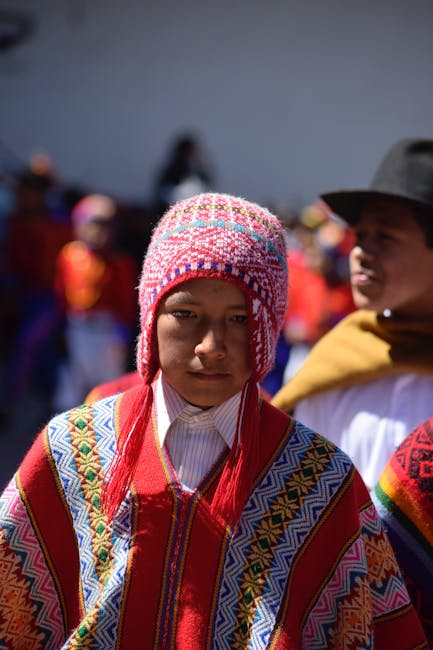
Traditional Chullo Hat
Multi $45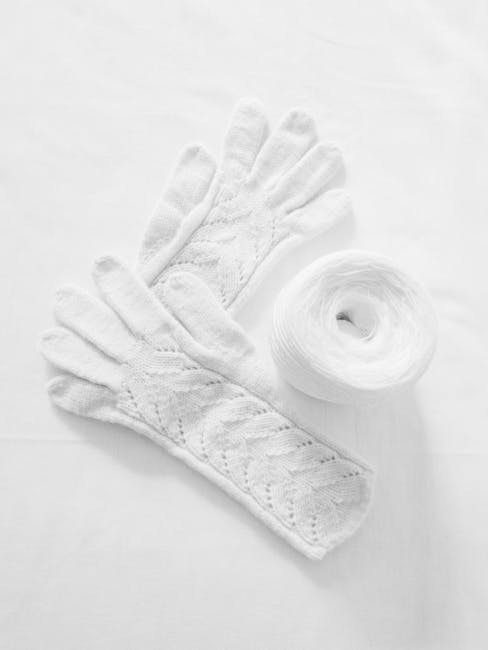
Alpaca Gloves
Brown $35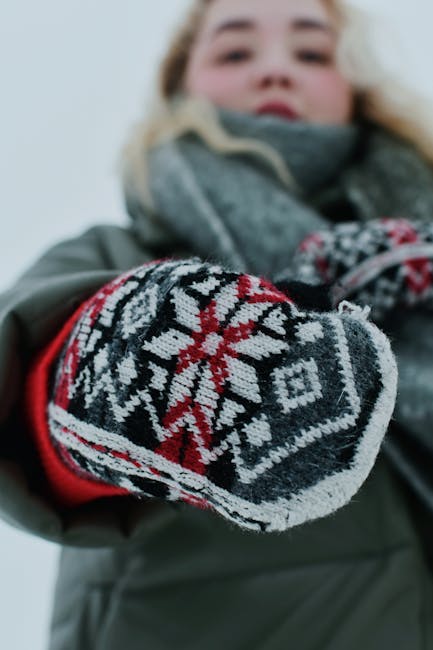
Alpaca Mittens
Natural $39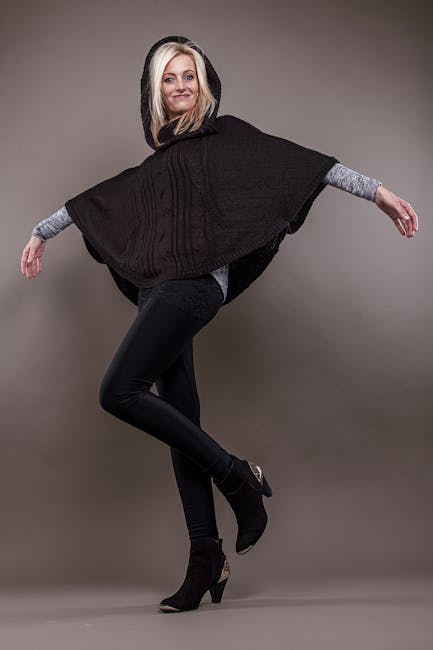
Hooded Alpaca Poncho
Natural $349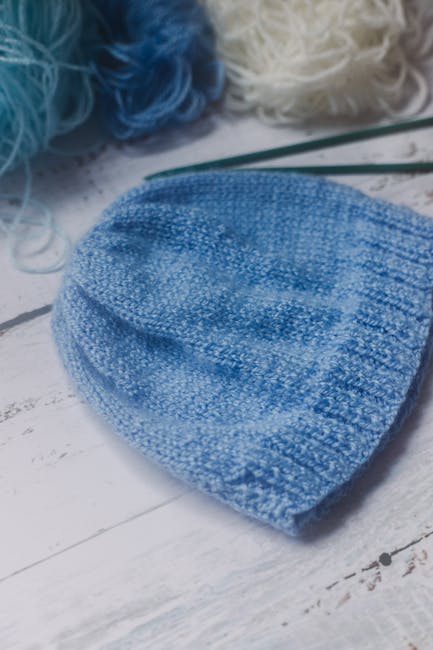
Alpaca Beanie
Black $39
Cable Knit Alpaca Hat
Cream $49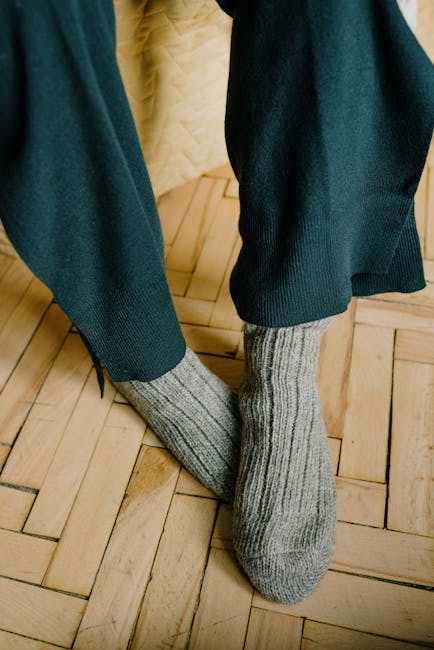
Alpaca Hiking Socks
Assorted $22
Alpaca Infinity Scarf
Gray $69
Wide Alpaca Shawl Scarf
Burgundy $99
Alpaca Ear Warmer Headband
Gray $25
King Alpaca Blanket
Gray $449
Oversized Alpaca Sweater
Oatmeal $195
Zip-Front Alpaca Cardigan
Navy $209Built for actual cold
The Winter Essentials collection is curated for genuine cold-weather wear, not just stylistic winter aesthetic. We test pieces in Maine winters with temperatures regularly dropping below 10°F and into negative territory during cold snaps. Pieces that earn placement in this collection have to perform in those conditions, either through fiber weight (royal alpaca knit at high yarn density), through construction (lined garments, double-layer chullos), or through sizing accommodating thermal underlayers without restricting movement.
Layering recommendations
For temperatures from 30°F to 50°F, a single mid-weight alpaca cardigan over a cotton or merino base layer typically suffices. Below 30°F, add a heavyweight piece, our oversized cardigans, ruana wraps, or hooded sweaters, over a thinner alpaca layer for trapped-air insulation. For below 10°F or windy alpine conditions, alpaca alone isn't windproof; we recommend pairing with a windbreaker shell.
Snow and rain resilience
Alpaca naturally repels light moisture better than sheep wool because its fiber structure includes less open-air pocketing. Light snow brushes off rather than melting in. Light rain beads briefly before absorbing. For genuinely wet conditions (heavy snow, sustained rain) alpaca should be paired with a waterproof shell rather than worn alone. Once wet, alpaca dries faster than wool but slower than synthetic fleece, allow 12-24 hours of room-temperature air drying for a fully soaked sweater rather than tumble drying or radiator drying which damage the fiber.